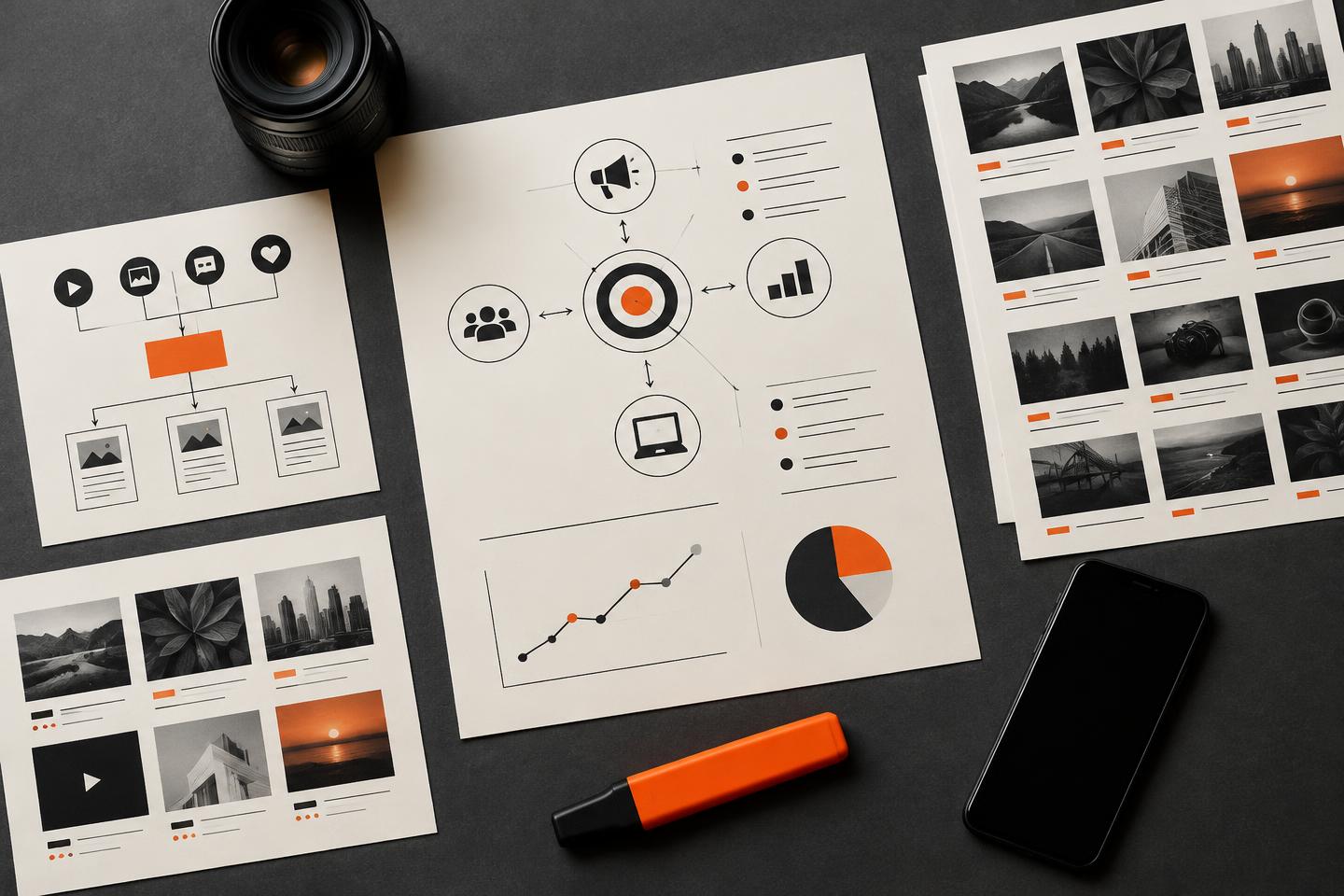
Your website is often the place where interest becomes a decision. Someone hears about your business, follows an advertisement or receives a recommendation, then visits your site to decide whether you are worth contacting. A confusing or outdated experience can interrupt that decision before you ever speak to them.
In 2026, a professional website is not simply a fashionable design. It is a dependable business asset: understandable, accessible, fast and connected to a meaningful next step. Social platforms remain valuable, but your website gives you control over your message, your customer experience and the information people need to evaluate your offer.
Start with a business purpose, not a visual trend
Before choosing layouts, decide what the website must accomplish. A consultancy might need qualified enquiries; a retailer needs profitable orders; a service company might need appointment requests. These goals require different pages, evidence and calls to action. Design decisions should support the visitor’s decision, rather than decorate it.
Write down your primary audience, the problem you solve and the action you want visitors to take. Build the main navigation around their questions: what you offer, who it suits, how the process works and how to get started. Avoid presenting every internal department as a menu item. Customers should not need to understand your organisation to find a relevant service.
Make the mobile experience the starting point
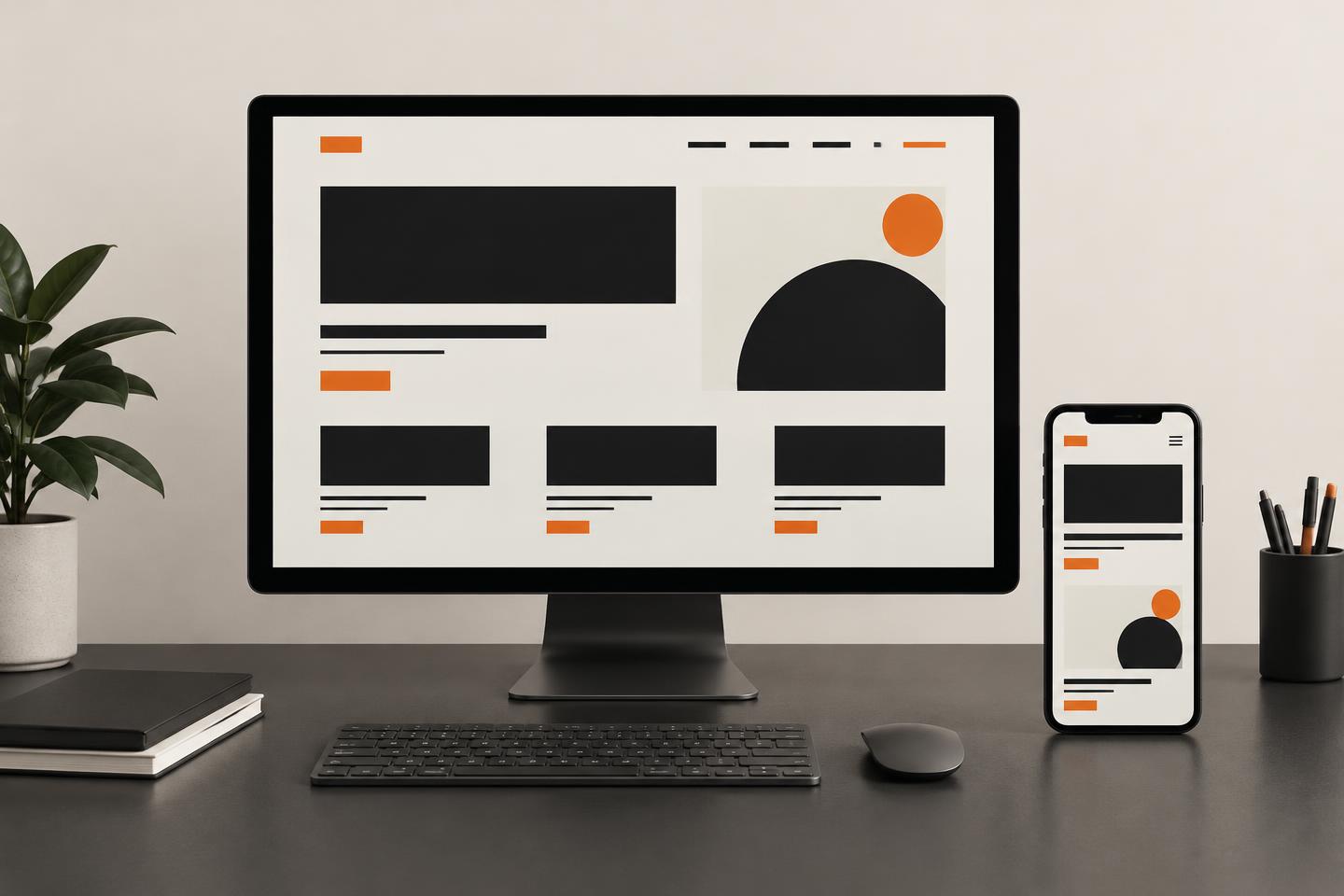
Mobile-first design means organising information and interactions for a small screen first, then extending the experience to larger screens. It is not merely shrinking a desktop layout. Headlines must remain readable, buttons need comfortable touch targets and forms should use appropriate input types. Important information must not disappear because space is limited.
Test realistic journeys on an actual phone: opening a service page, reading a product description and sending an enquiry. Check navigation, keyboard behaviour and error messages. Google primarily uses mobile content for indexing, so preserve meaningful content and metadata across devices. A simplified mobile experience should still answer the same essential questions as its desktop counterpart.
Build credibility with accurate, specific information
Professional design can create a coherent first impression, but credibility depends on what the site says and proves. Explain your services plainly, use real contact details and make policies easy to find. Where you have permission, show genuine project work, customer feedback or relevant qualifications. Never replace missing evidence with invented testimonials or inflated claims.
Specific descriptions are more persuasive than generic promises. Explain what a service includes, how a project typically progresses and which decisions the customer needs to make. Keep information current. Broken links, incorrect details and ambiguous offers suggest that the website is not being maintained, even when the underlying business is excellent.
Treat performance as part of customer service
A page that loads slowly asks visitors to wait before learning anything useful. Large images, unnecessary scripts and poorly managed fonts can make otherwise attractive websites frustrating. Performance matters particularly when someone has a weak connection or an older device. Optimising it helps more people reach the content and complete their task.
Use appropriately sized images, modern image formats where supported and lazy loading for media below the first screen. Reserve space for images so the layout does not jump. Review Google’s Core Web Vitals to understand loading, responsiveness and visual stability. Treat the measurements as diagnostic signals, not a promise of higher rankings or automatic sales.
Give search engines useful, understandable pages
SEO begins with helpful content and a structure that makes it easy to discover. Give each important service its own meaningful page, use descriptive titles and headings, and connect related pages with relevant internal links. Explain your expertise through useful answers rather than repeating keywords. Search visibility depends on many factors; no responsible agency can guarantee a particular position.
Check that public pages can be crawled and indexed, then use Search Console to inspect problems and search queries. Secure the site with HTTPS and maintain redirects when addresses change. If your business serves a real local area, represent that accurately. Do not create location pages that imply an office or service presence you do not actually have.
Remove friction from lead generation
An enquiry form should ask for the information needed to start a useful conversation, not everything required to complete the entire project. Explain what happens after submission. Show clear validation messages, preserve entered information when something goes wrong and only display success when the enquiry has actually been received. Provide a direct contact alternative.
Improve the website after launch
A launch is a starting point. Measure the actions that matter: qualified enquiries, appointments or orders. Review pages where visitors hesitate and check whether your tracking agrees with real business records. Website traffic alone does not explain whether the site is attracting the right people or producing useful outcomes.
A professional website earns its value by making your business easier to understand and easier to choose. Start with clarity, strengthen the mobile experience and make the next step dependable. Then improve the experience with evidence. A carefully maintained website can support every other marketing channel without relying on a short-lived design trend.
- Choose one primary conversion goal for each important page.
- Test navigation and enquiry forms on mobile every month.
- Review content accuracy, broken links and performance regularly.
- Prioritise changes that resolve a demonstrated customer problem.
Sources & further reading
Put the ideas to work
Explore our web design & development service, or talk to Lexamo Creative Lab about your business.